
Bunion Treatment in Fort Dodge, IA
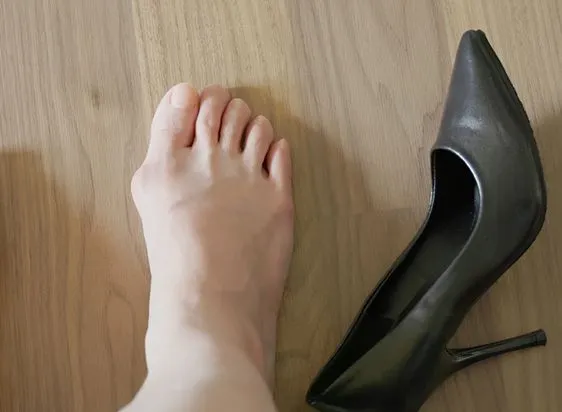
An Introduction to Bunions
A bunion is a bony growth near the base of the big toe that causes the big toe to move toward the other toes. The pressure on the joint causes the joint to go out of alignment, resulting in discomfort. Bunions cause pain, swelling, and trouble wearing certain shoes, often progressively worsening without proper treatment and care.
Common Causes and Risk Factors
Bunions can develop due to a combination of genetic and lifestyle factors. Common causes include:
- Inherited foot structure and biomechanics
- Wearing tight or narrow shoes that squeeze the toes
- Arthritis, particularly inflammatory types like rheumatoid arthritis
- Foot injuries or deformities affecting joint stability
While anyone can develop a bunion, individuals with a family history of bunions or those who frequently wear high heels or ill-fitting shoes are at higher risk.
Symptoms of Bunions
Bunions can cause varying degrees of discomfort, including:
- A visible bump at the base of the big toe
- Pain or tenderness, especially when walking or wearing shoes
- Redness, swelling, or inflammation around the affected joint
- Limited mobility of the big toe
- Development of corns or calluses due to overlapping toes
Treatment Options for Bunions
At Midwest Foot & Ankle Center serving Fort Dodge, Lake City & Humboldt, IA, Dr. Mark Hartman, Dr. Kelsey Sukovaty , and Dr. Madison Leyk offer comprehensive bunion care to relieve pain and prevent further complications. Treatment options may include:
- Conservative Care:
- Wearing supportive, properly fitting shoes with a wide-toe box
- Using custom orthotics to redistribute pressure on the foot
- Padding and taping to relieve discomfort and support proper alignment
- Applying ice and taking anti-inflammatory medications to reduce swelling
- Performing toe and foot exercises to maintain flexibility
- Advanced Treatment:
- Corticosteroid injections to manage severe pain and inflammation
- Surgical intervention for bunions that cause chronic pain or interfere with daily activities
When to See Our Podiatrist
Professional care is recommended where a bunion creates persistent discomfort, limits movement, or makes one struggle to find comfortable shoes. Early treatment could prevent further joint damage and thereby improve overall foot function.
